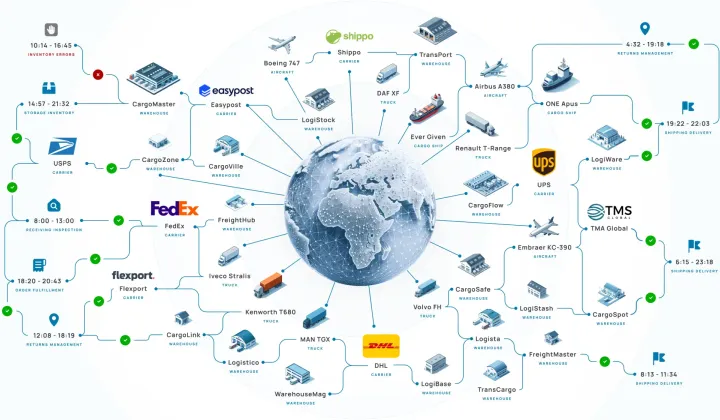
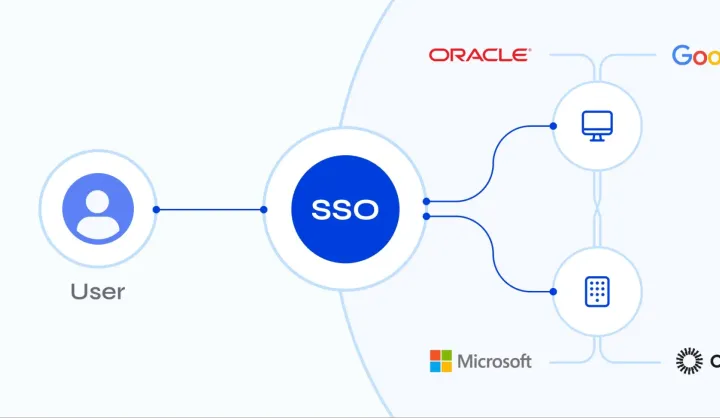
Foundry’s 2026 AI Priorities survey lists high integration cost (36%) and lack of in-house deployment expertise (33%) among the top barriers to AI in production. In logistics the picture is sharper: Inbound Logistics’ 2026 survey found “deploying AI” is the number one shipper challenge, named by 73%, while the typical 3PL already runs a TMS (87%), a visibility platform (83%), ERP integration (73%) and a WMS (72%). The automation has to fit between those systems or it does not run.
Most automation fails before the technology. Digitizing a broken process produces a faster broken process. A bot that re-keys data between two systems is cheaper than a person until a vendor changes an API without notice. Gartner attributes the 30% of GenAI projects abandoned after proof of concept to poor data quality, inadequate risk controls, escalating costs and unclear value: four problems of process and integration, not of models.
Erbis has connected 4,000+ systems since 2012, including 60+ carrier APIs across EDI, REST, SOAP and XML for a single global TMS. We start by fixing what is broken, then automate what is left, then put AI on the exceptions that used to need a person. We do not resell an RPA platform, and we do not automate a process we have not mapped.